Posts

Can over-the-counter pain medications cause kidney disease? How can patients with kidney disease treat their pain?

Image
The fact that a number of painkillers are available freely over-the-counter (OTC) often gives a lot of people a false sense of security about the safety of these medications. A statement that I here from some of my patients is, "it was available without a prescription, so I thought it wasn't too strong ". So very often, patients assume that if a medicine is not too potent, it probably does not have serious side effects either. Sadly, a medication's potency is not necessarily proportional to its side effect profile. HOW DO PAIN MEDICATIONS DAMAGE THE KIDNEYS: EFFECTS ON KIDNEY FUNCTION Pain medications can have different renal effects. These can range from reversible, short term reductions in kidney function due to a decrease in the blood supply to the kidneys (called Acute Renal Failure, or Acute Kidney Injury ), to a more chronic disease where the kidneys shrink in size, develop a rough and bumpy surface, and demonstrate tissue breakdown called "papi...

Creating a human kidney in the lab to treat kidney failure: Reality or Star Trek?

Image
I look at the artificial kidney that I talked about in my last post as a sort-of futuristic automaton. It can work (in principle) on the body's internal power (the blood pressure) and does not require the frequent tweaks (again, in principle) that are required with conventional dialysis; thus giving patients more freedom with their lives. However, the technology that really has the trans-humanist in me jumping up and down with excitement is the promise of regenerating a "natural" human kidney in the lab. In Greek mythology, Prometheus' liver would regenerate even after an eagle nibbled on it every day, all while the poor fellow lay chained to a rock (he was lucky the eagle didn't mess with his kidneys, which don't quite possess the same regenerative capacity!). My fantasy is not quite the same, but what I had always conceptualized is that with the advances in regenerative medicine, we might be able to just play God, and "make a kidney", a rea...

Is a vegan or vegetarian diet better for patients with kidney disease?

Image
Over the last few decades, we have seen the accumulation of evidence that supports the health benefits of plant-based diets. Vegetarian diets have been shown to be associated with a lower incidence of obesity, hypertension ,  diabetes , and coronary artery disease . Since all these entities are risk factors for chronic kidney disease (CKD), it might be reasonable to assume that these diets might actively reduce the risk of CKD development and progression. However, at the very outset, let me emphasize that any diet, vegetarian or not, comes with the same restrictions that are advised for patients with CKD . For instance, potassium intake might need to be restricted in advanced CKD. Fruits, a significant portion of the vegetarian diet, are an important source of potassium, and will need to be appropriately restricted. So you have to watch what you eat regardless. More importantly, you owe it to yourself to know what exactly is there in the food that you eat.

Protein in the urine: what's the big deal and why it needs to be treated?

Image
Protein in the urine is medically referred to as "proteinuria". As we had discussed earlier, abnormally high amount of protein in the urine is one of the hallmarks of Chronic Kidney Disease (CKD). We also talked about the role of moderate protein diet in preventing CKD progression . But if protein in the urine is just another downstream effect of kidney disease, then why do we nephrologists make so much fuss about treating it?

Kidney disease and heart disease: five questions to unravel the link

Image
A frequent conundrum that I see patients run into almost everyday, is understanding the link between chronic kidney disease (CKD) and coronary heart disease (CHD). They are surprised when I tell them that most CKD patients are more likely to die from heart disease, than from kidney disease (or require renal replacement therapy/dialysis). Why is that so, and is there a link between kidney and heart disease? Lets explore.

What is the right amount of daily protein that a patient with kidney disease needs to eat?

Image
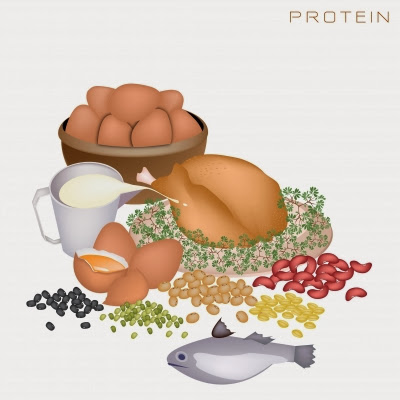
Earlier, I had talked about the recommended dietary guidelines for patients who have kidney disease . I want to tackle the issue of protein intake in patients with chronic kidney disease (CKD) in a little more detail today because this is an issue that patients seem to be the most confused about. The question is not just limited to how much protein you need to eat to for your kidneys' health and your overall health. What also needs to be realized is that not all sources of protein are created equal, even if they have the same amount of protein. Quality hence matters as much as quantity. 

Polycystic kidney disease, and future drugs that might treat it

Image
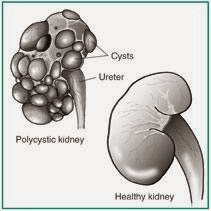
Earlier, we had talked about kidney cysts , and how they could be present in different disease conditions of varying severity. Lets talk a little about one specific entity characterized by multiple cysts in the kidney, called Polycystic Kidney Disease (PKD), and some potential treatment options that might pan out in the future.